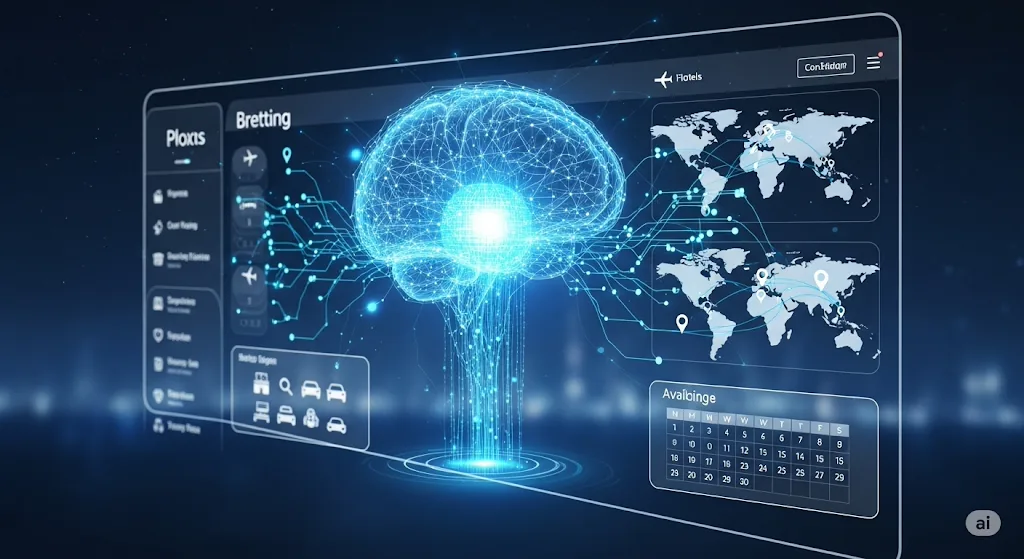
Future of AI in Hospitality
Agentic systems, autonomous operations and the experience economy - the hotel of 2030 is being designed now.
trending_upSix Trends Shaping the Next Decade
The next decade of hotel AI is less about single tools and more about connected systems that act, personalize, and negotiate. Six trends will define which hotels compound the advantage:
Agentic AI
Systems that plan and execute multi-step tasks: research, decide, book, follow up - with humans reviewing outcomes.
Autonomous Operations
Pricing, staffing, and buying running inside guardrails, with humans auditing exceptions instead of executing routines.
Hyper-Personalization
Every offer, room assignment, and message individualized in real time from the full guest context.
Voice & Multimodal
Guests and staff working by voice, image, and video as naturally as by text and screens.
AI-Native Staff Tools
Every internal system conversationally intelligent - staff ask in plain language, systems answer and act.
Ecosystem Orchestration
AI negotiating across hotels, OTAs, and suppliers machine-to-machine - inventory, rates, and terms exchanged automatically.
volunteer_activismThe Human Role Rises
As machines absorb the repetitive layer of hotel work - re-keying reservations, chasing availability, writing the same reply - the human role does not shrink; it rises. Judgment on the exception, empathy in the difficult moment, strategy in the compset meeting: these become the staff's core deliverables.
The concierge becomes more valuable, not less. Anyone can fetch a dinner reservation; reading that a guest is celebrating something fragile, and choosing the right table, is a human skill that no model inherits from history.
Hospitality's core product is human feeling. AI exists in the hotel for one strategic reason: to give staff more time to deliver it.
compare_arrowsAutomating Tasks vs Augmenting People
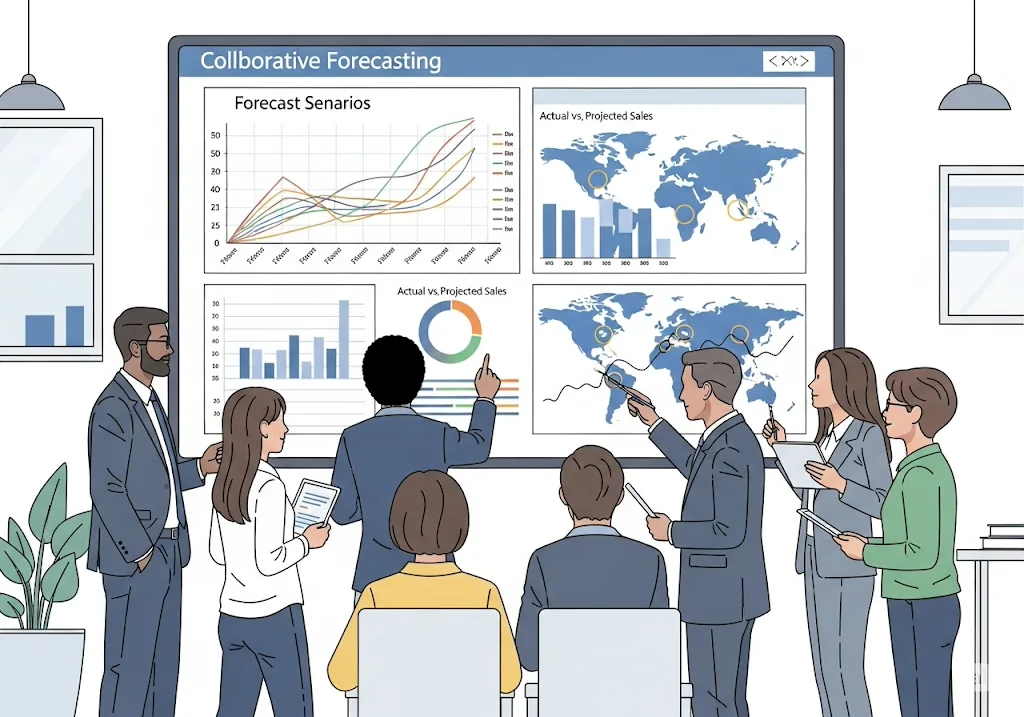
Not every AI deployment should chase the same goal. Back-office repetition - night audit checks, invoice matching, report assembly - is automation territory: replace the task, return the hours, accept few exceptions.
Service, sales, and revenue roles are different: the human moment is the product, and the tool exists to lift it. Here the goal is augmentation - better answers, faster research, and the routine work cleared away so the person can perform.
precision_manufacturingAutomation-First
Replace the task, cut the hours - right for repetitive back-office work with clear rules and low emotional stakes.
handshakeAugmentation-First
Equip the person, lift the outcome - right for service, sales, and revenue roles where the human moment is the product.
The bottom line: the winning hotels will not be the ones with the most AI - they will be the ones that redeploy saved hours into guest connection faster than competitors. Technology sets the ceiling; hospitality sets the price.
translatePenjelasan dalam Bahasa Indonesiaexpand_more
Masa depan AI di perhotelan digerakkan enam tren yang saling terhubung: agentic AI, operasional otonom, hyper-personalization, antarmuka suara dan multimodal, alat staf AI-native, serta orkestrasi ekosistem lintas hotel, OTA, dan pemasok. Hotel tahun 2030 sedang dirancang sekarang. Saat mesin menyerap lapisan pekerjaan repetitif, peran manusia justru naik - dan pemenangnya adalah hotel yang paling cepat menyalurkan jam yang dihemat ke kedekatan dengan tamu.
- check_circleAgentic AI merencanakan dan mengeksekusi tugas multi-langkah - riset, putuskan, pesan, tindak lanjut - dengan manusia meninjau hasilnya.
- check_circleOperasional otonom: pricing, staffing, dan pembelian berjalan dalam guardrail; manusia mengaudit pengecualian, bukan mengeksekusi rutinitas.
- check_circleBack-office repetitif wilayah automation (ganti tugasnya); service, sales, dan revenue wilayah augmentation (bekali orangnya).
- check_circleConcierge justru makin berharga: membaca tamu yang sedang merayakan sesuatu yang rapuh adalah keterampilan yang tak diwarisi model dari sejarah.
- check_circleProduk inti hospitality adalah rasa manusia; AI ada di hotel agar staf punya lebih banyak waktu menyampaikannya.
- check_circleHotel pemenang bukan yang punya AI terbanyak, melainkan yang tercepat mengalihkan jam hematannya ke koneksi dengan tamu.
helpPertanyaan Umum (FAQ)
Apa tren masa depan AI di industri perhotelan?
Enam tren utama: agentic AI yang mengeksekusi tugas multi-langkah, operasional otonom dalam guardrail, hyper-personalization real-time, antarmuka suara dan multimodal, alat kerja staf yang AI-native, serta orkestrasi ekosistem tempat mesin bernegosiasi lintas hotel, OTA, dan pemasok. Hotel 2030 sedang dirancang sekarang.
Apa itu agentic AI dan autonomous operations di hotel?
Agentic AI adalah sistem yang merencanakan dan mengeksekusi tugas multi-langkah - riset, memutuskan, memesan, menindaklanjuti - dengan manusia meninjau hasilnya. Pada operasional otonom, pricing, staffing, dan pembelian berjalan dalam guardrail sementara manusia mengaudit pengecualian alih-alih mengerjakan rutinitas.
Apa perbedaan automation dan augmentation dalam penerapan AI?
Automation menggantikan tugas dan memangkas jam kerja - tepat untuk pekerjaan back-office repetitif dengan aturan jelas dan taruhan emosional rendah. Augmentation membekali orangnya agar hasilnya naik - tepat untuk service, sales, dan revenue karena momen manusianya justru produknya.
Akankah AI menggantikan peran staf hotel?
Peran manusia tidak menyusut melainkan naik: penilaian atas pengecualian, empati pada momen sulit, dan strategi menjadi sumbangan utama staf. Concierge justru semakin berharga karena membaca perasaan tamu bukanlah hal yang diwarisi model dari data historis.