

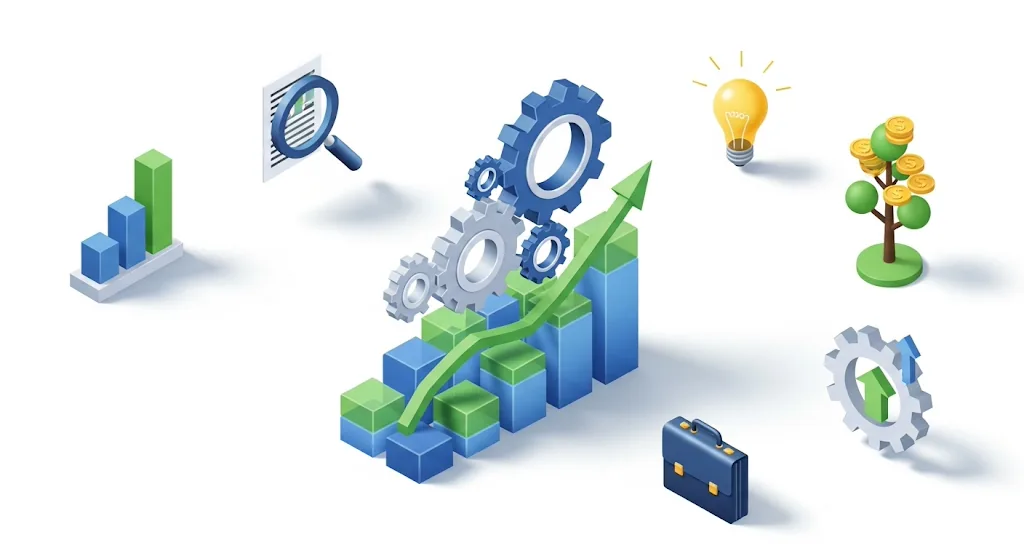
Energy & Resource Management
Every kilowatt and liter is both a cost line and a carbon line - managing them well pays twice, immediately.
ecoThe Double Dividend
Energy and water are among the largest controllable costs in a hotel, and their consumption is the core of the property's environmental footprint. The two ledgers are one ledger: every kilowatt-hour and every liter saved removes cost and carbon in the same action.
Efficiency investments prove it. Smart HVAC that follows occupancy, LED retrofits, heat recovery from kitchens and laundries, and water recycling programs cut operating cost and carbon simultaneously - the same investment paying twice.
Revenue management connects directly: occupancy forecasting now doubles as the demand signal for energy optimization. The forecast that prices rooms can also schedule heating, cooling, and production - turning the revenue manager's core tool into an efficiency instrument.
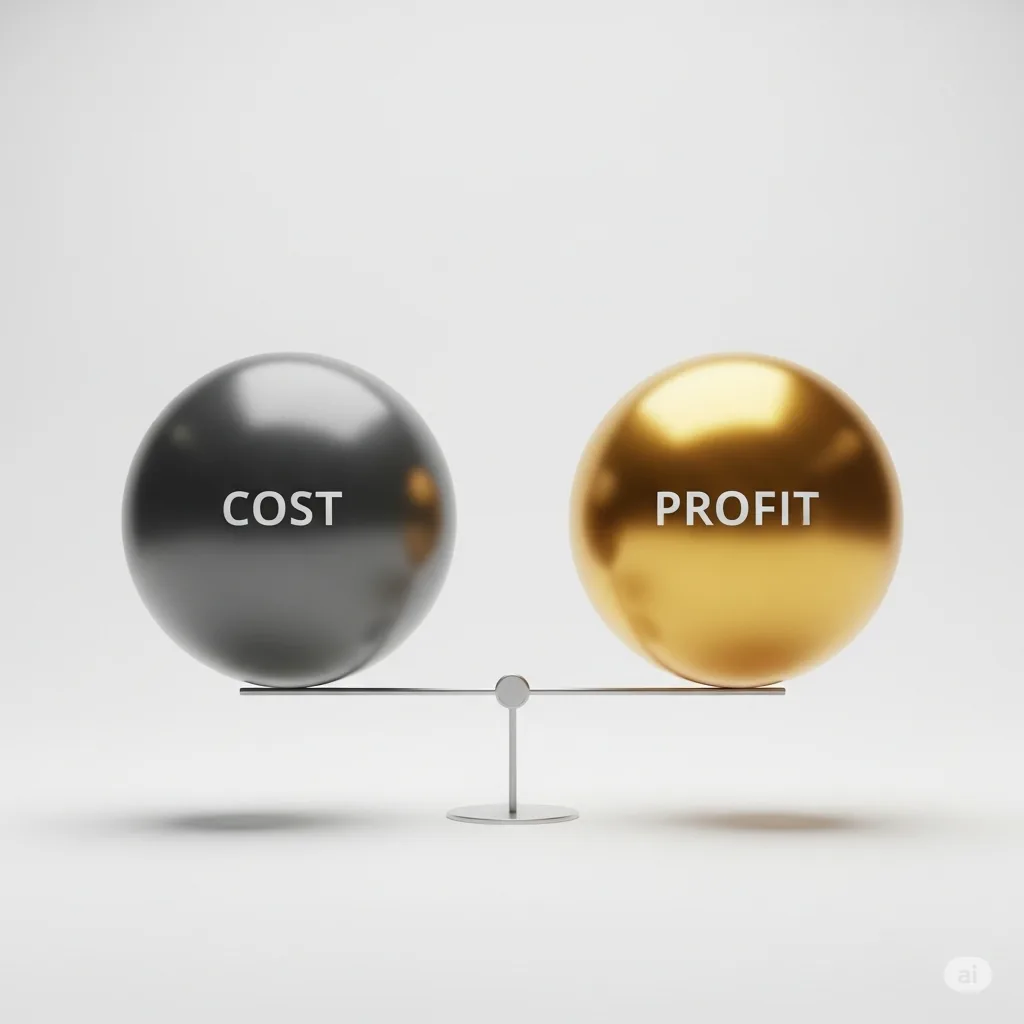
compare_arrowsWasted vs Managed Resources
Resource waste is rarely a decision - it is a default. Systems run to static schedules while occupancy swings daily, and nobody notices because consumption is measured monthly, if at all. The cost and the carbon bleed silently.
The managed alternative treats consumption as an operational variable tied to demand: energy follows the forecast, unused space is set back, and anomalies surface within hours instead of accounting periods.
trending_downWasted Pattern
Heating empty banquet rooms, cooling vacant floors, and running flat schedules that ignore occupancy: cost and carbon bleeding silently, night after night.
boltManaged Pattern
Consumption tracking occupancy and events in real time: energy delivered where revenue is being made, cost and carbon minimized with zero guest impact.
tuneSix Resource Levers
Every property has the same six levers available. None requires a sustainability budget - they require forecast discipline and measurement, which revenue management already practices every day.
1. Occupancy-Linked HVAC
Heating and cooling that follow the occupancy forecast, not the calendar - conditioning space only when and where guests are.
2. LED and Controls
Lighting retrofits paired with motion sensors in corridors and back-of-house - the fastest payback in the building.
3. Heat Recovery
Waste heat from kitchens, laundries, and cooling systems captured and reused for hot water and pre-heating.
4. Water Recycling
Greywater systems and linen and towel reuse programs that cut consumption per occupied room year after year.
5. Smart Metering
Real-time consumption data by zone and system, exposing anomalies within hours instead of months.
6. Renewable Supply
On-site solar generation and green electricity procurement cutting the property's carbon intensity at the source.
The bottom line: resource management is the rare initiative where the sustainable choice and the profitable choice are the same choice - the property that forecasts its energy like it forecasts its rooms turns sustainability from rhetoric into margin.
translatePenjelasan dalam Bahasa Indonesiaexpand_more
Manajemen energi dan sumber daya (energy resource management) adalah pengelolaan konsumsi listrik, air, dan limbah hotel sebagai pos biaya terkontrol terbesar sekaligus inti jejak lingkungannya. Kedua pembukuan itu ternyata satu: setiap kilowatt-jam dan liter yang dihemat menghilangkan biaya dan karbon dalam aksi yang sama. Manajemen sumber daya adalah inisiatif langka di mana pilihan berkelanjutan dan pilihan menguntungkan adalah pilihan yang sama.
- check_circleDouble dividend: investasi efisiensi membayar dua kali, memangkas biaya operasional dan karbon secara bersamaan.
- check_circleOccupancy forecasting menjadi sinyal demand untuk optimasi energi: forecast yang menghargai kamar juga menjadwalkan pemanasan dan pendinginan.
- check_circlePola terbuang: sistem berjalan pada jadwal statis, memanaskan ruang banquet kosong dan mendinginkan lantai kosong, terukur bulanan.
- check_circlePola terkelola: konsumsi mengikuti occupancy dan event secara real time, dan anomali muncul dalam hitungan jam bukan periode akuntansi.
- check_circleEnam tuas: HVAC berbasis occupancy, LED dan kontrol, heat recovery, daur ulang air, smart metering, dan pasokan terbarukan.
- check_circleTidak butuh anggaran sustainability, melainkan disiplin forecast dan pengukuran yang sudah dipraktikkan RM setiap hari.
helpPertanyaan Umum (FAQ)
Apa itu double dividend dalam efisiensi hotel?
Double dividend adalah fakta bahwa setiap kilowatt-jam dan liter yang dihemat menghapus biaya operasional dan emisi karbon dalam satu tindakan yang sama, karena pembukuan biaya dan karbon berada di belakang satu konsumsi yang sama. Investasi seperti retrofit LED dan heat recovery membayar dua kali. Inilah inisiatif langka di mana pilihan berkelanjutan sekaligus menguntungkan.
Bagaimana occupancy forecast terkait dengan manajemen energi?
Forecast occupancy yang biasa dipakai menghargai kamar dapat menjadi sinyal permintaan bagi optimasi energi: sistem HVAC mengikuti ramalan hunian, ruang tak terpakai di-set back, dan produksi dijadwalkan mengikuti permintaan. Alat inti revenue manager sekaligus menjadi instrumen efisiensi. Energi tersalur ke tempat pendapatan sedang dibuat tanpa dampak bagi tamu.
Apa saja tuas efisiensi energi dan sumber daya hotel?
Enam tuas yang tersedia di setiap properti: HVAC yang mengikuti occupancy, retrofit LED dengan sensor gerak di koridor dan back-of-house, pemulihan panas dari dapur dan laundry, daur ulang greywater serta program penggunaan ulang linen, smart metering dengan data real time per zona, dan pasokan terbarukan seperti panel surya. None of them membutuhkan anggaran khusus, cukup disiplin forecast dan pengukuran.
Mengapa pengukuran bulanan menyembunyikan pemborosan?
Karena pemborosan sumber daya jarang menjadi keputusan, melainkan default: sistem berjalan pada jadwal statis sementara occupancy berubah setiap hari, dan tidak ada yang menyadarinya bila konsumsi hanya diukur bulanan. Biaya dan karbon merembes dalam diam malam demi malam. Smart metering memunculkan anomali dalam hitungan jam alih-alih dalam periode akuntansi.