

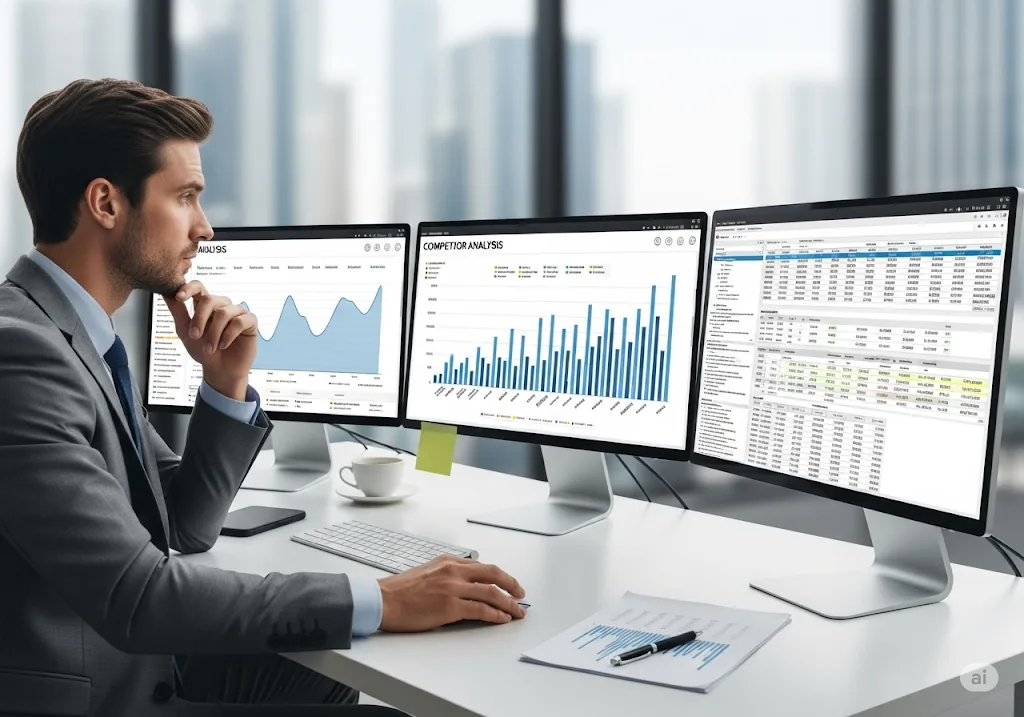
Rate Shopping & Price Intelligence
Knowing the compset's price every day - by date, room type and channel - turns pricing from guesswork into position.
manage_searchWhat Rate Shopping Captures
Automated rate shopping pulls competitor rates daily across dates, room types and channels: BAR, promotions and member rates, with taxes and fees included so the comparison is true.
Manual spot-checks sample a moment and miss the patterns. They cannot see the Tuesday discount that appears every week, or the competitor who systematically sells out Thursdays and prices Friday accordingly.
That is the difference between a data point and intelligence: daily, structured captures reveal competitor strategy - not just competitor prices.

insightsSnapshot vs Pattern Shopping
A price observed once proves very little. It may be a flash promotion, a systems error, or a single move in a strategy only weeks of data can reveal.
Pattern shopping turns the same raw prices into a description of how a competitor behaves - when they discount, when they hold, and when they walk away from discounting entirely.
photo_cameraSnapshot Shopping
A manual check this morning: a data point, easily misread - and already aging by the time it reaches a meeting.
monitoringPattern Shopping
Weeks of shopped data revealing competitor strategy: repeat discounts, sell-out behavior, event pricing. The basis for real positioning decisions.
fact_checkSix Rate Intelligence Practices
Turning shopped rates into usable intelligence takes discipline. Six practices separate a professional program from casual browsing:
1. Daily Shop Cadence
Automated pulls every morning across the forward booking window - a habit, not a project.
2. Like-for-Like Comparison
Same dates, similar room types, taxes and fees normalized - otherwise the comparison is fiction.
3. Channel Separation
Public OTA rates shopped separately from fenced member rates - different games with different rules.
4. Position Tracking
Your rate index versus the set over time, not one day's screenshot.
5. Sell-Out Signals
Competitors closing availability on specific dates - the demand clue hiding inside price data.
6. Event Windows
Shopping intensified around citywides and holidays - the dates when pricing decisions matter most.
Price is only half the picture: a competitor 15 percent cheaper with a 4-point-worse review score is not undercutting you - they are pricing their product. Always read shopped rates beside review scores, location and product quality, or the data will shout nonsense.
translatePenjelasan dalam Bahasa Indonesiaexpand_more
Rate shopping adalah pemantauan otomatis tarif kompetitor harian lintas tanggal, tipe kamar, dan channel, mencakup BAR, promosi, dan member rate dengan pajak serta biaya ikut disertakan. Hasilnya bukan sekadar harga sesaat, melainkan pola perilaku pesaing dari minggu ke minggu. Praktik inilah yang mengubah tebakan harga menjadi posisi strategis.
- check_circleTarik data otomatis setiap pagi sepanjang jendela booking ke depan; kebiasaan harian, bukan proyek sesekali.
- check_circleBandingkan like-for-like: tanggal sama, tipe kamar serupa, pajak dan biaya dinormalisasi.
- check_circlePisahkan tarif OTA publik dari member rate berpagar; keduanya aturan main yang berbeda.
- check_circleLacak index tarif versus compset dari waktu ke waktu, bukan tangkapan layar satu hari.
- check_circleSinyal sell-out kompetitor dan intensifikasi di sekitar citywide serta hari libur adalah petunjuk permintaan.
- check_circleKompetitor 15 persen lebih murah dengan skor ulasan 4 poin lebih buruk sedang menghargai produknya, bukan menggerus Anda.
helpPertanyaan Umum (FAQ)
Apa itu rate shopping dalam revenue management?
Rate shopping adalah pemantauan tarif kompetitor secara otomatis lintas tanggal, tipe kamar, dan channel, mencakup BAR, promosi, dan member rate beserta pajaknya. Praktik ini mengubah harga sekilas menjadi intelijen tentang strategi kompetitor.
Apa perbedaan snapshot dan pattern shopping?
Snapshot adalah satu pemeriksaan manual yang mudah salah baca dan cepat usang. Pattern shopping merangkai data berminggu-minggu sehingga terlihat kapan kompetitor berdiskon, bertahan, atau justru berhenti menawarkan tarif murah.
Bagaimana melakukan rate shopping secara profesional?
Otomatiskan tarikan harian, gunakan perbandingan like-for-like dengan normalisasi pajak, pisahkan channel, dan pantau posisi tarif sebagai index berkelanjutan. Perkuat dengan sinyal sell-out dan intensifikasi di sekitar event kota.
Mengapa harga kompetitor tidak boleh dibaca sendirian?
Karena harga hanyalah separuh gambar: kompetitor 15 persen lebih murah dengan skor ulasan empat poin lebih rendah bukan menggerus pasar, melainkan menghargai kualitas produknya. Baca tarif bersama ulasan, lokasi, dan mutu produk.